Exterior Wall Coatings
The exterior of your home is more than just a facade; it’s a statement of style, personality, and pride. However, maintaining that perfect look can be challenging, especially when faced with harsh weather conditions, UV radiation, and everyday wear and tear. This is where exterior wall coatings come into play, offering a durable, attractive, and long-lasting solution for homeowners looking to protect and enhance their properties without the frequent need for repainting.
In this comprehensive guide, we’ll delve into everything you need to know about exterior wall coatings, including their benefits, types, application processes, and how to choose the right coating for your home. Whether you’re a homeowner considering an upgrade or a professional contractor looking for new options, this guide will provide valuable insights into the world of wall coatings exterior.
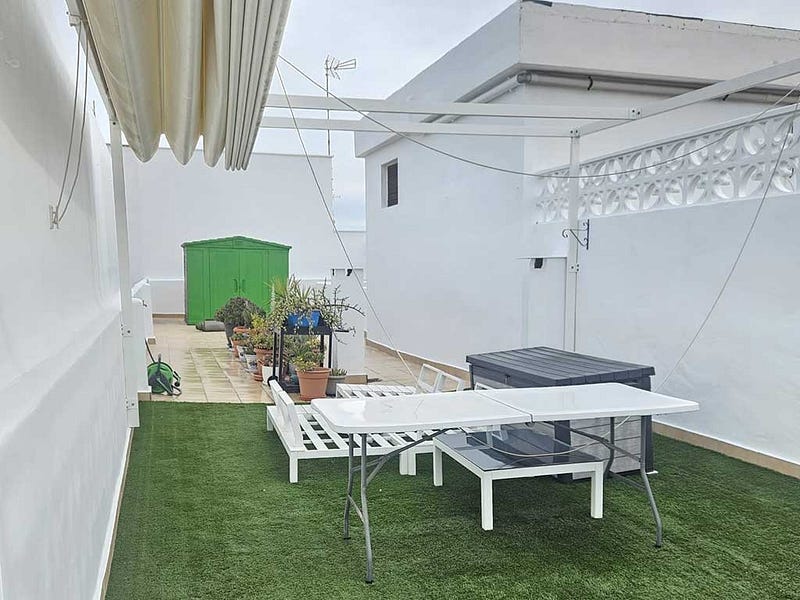
Understanding Exterior Wall Coatings
Exterior wall coatings are specialized finishes applied to the outer surfaces of buildings. They are designed to protect against various environmental factors, enhance aesthetic appeal, and provide a long-lasting alternative to traditional paint. Unlike standard paint, which may require frequent reapplication, high-quality wall coatings can last for decades, offering a range of benefits that make them an excellent investment for homeowners and property managers.
1. Durability and Longevity
One of the primary advantages of exterior wall coatings is their durability. These coatings are formulated to withstand extreme weather conditions, including heavy rain, wind, snow, and intense sunlight. They are resistant to fading, cracking, peeling, and chalking, ensuring that your home’s exterior looks fresh and vibrant for years to come. This longevity not only saves you the time and effort of frequent repainting but also reduces long-term maintenance costs.
2. Protection Against Environmental Factors
Exterior wall coatings provide a robust barrier against various environmental factors that can damage your home’s exterior. They offer excellent waterproofing properties, preventing water infiltration and the associated problems of dampness, mold, and mildew. Additionally, many coatings are designed to be resistant to algae and fungal growth, keeping your walls clean and free from unsightly stains.
3. Thermal Insulation and Energy Efficiency
Certain types of exterior wall coatings are designed to improve your home’s thermal insulation. By reflecting solar radiation and reducing heat absorption, these coatings can help maintain a more stable indoor temperature, reducing the need for heating and cooling. This can lead to significant energy savings and a more comfortable living environment.
4. Enhanced Aesthetic Appeal
Wall coatings are available in a wide range of colors, textures, and finishes, allowing you to customize the appearance of your home’s exterior. Whether you prefer a smooth, modern look or a textured, rustic finish, there is a wall coating that can meet your design preferences. The high-quality pigments used in these coatings ensure vibrant, long-lasting colors that resist fading over time.
5. Low Maintenance
Compared to traditional paint, exterior wall coatings require minimal maintenance. They are easy to clean and resistant to dirt and grime buildup. In most cases, a simple wash with water and mild detergent is enough to keep the walls looking pristine. This low-maintenance feature makes wall coatings an ideal choice for busy homeowners and property managers.
Types of Exterior Wall Coatings
Exterior wall coatings come in various types, each offering unique properties and benefits. Understanding the differences between these coatings can help you choose the best option for your home.
1. Acrylic Coatings
Acrylic wall coatings are water-based and highly versatile. They are known for their excellent adhesion, flexibility, and resistance to weathering. Acrylic coatings are available in a wide range of colors and finishes, from matte to glossy. They are breathable, allowing moisture to escape from the building while preventing water infiltration. This makes them suitable for various climates and building materials.
2. Elastomeric Coatings
Elastomeric coatings are designed for superior flexibility and crack resistance. They can stretch and contract with the substrate, making them ideal for surfaces prone to cracking or movement, such as stucco or wood. Elastomeric coatings provide excellent waterproofing and are particularly useful in areas with extreme temperature fluctuations. They also offer good UV resistance, helping to protect the underlying materials from sun damage.
3. Silicone-Based Coatings
Silicone-based coatings are known for their exceptional water repellency and resistance to weathering. They create a durable, protective layer that repels water and prevents moisture penetration. Silicone coatings are highly resistant to UV radiation, chemical exposure, and extreme temperatures. They are often used in commercial and industrial settings but can also be a great choice for residential applications, especially in areas with harsh weather conditions.
4. Textured Coatings
Textured wall coatings add a decorative element to the exterior of buildings. They come in various textures, such as sand, stone, and stippled finishes, allowing for creative expression and enhanced curb appeal. In addition to their aesthetic benefits, textured coatings can also help hide imperfections in the substrate and provide additional protection against weathering and impact.
5. Thermal Insulating Coatings
Thermal insulating coatings are designed to improve the energy efficiency of buildings by reducing heat transfer. These coatings contain special reflective pigments and insulating materials that reflect sunlight and reduce heat absorption. By lowering the amount of heat entering the building, they help maintain a more stable indoor temperature and reduce energy consumption for heating and cooling.
The Application Process: What to Expect
The application of exterior wall coatings is a multi-step process that requires careful preparation and skilled execution. Here’s a general overview of what to expect during the application process:
1. Surface Preparation
Proper surface preparation is crucial for achieving a successful and long-lasting finish. The surface must be clean, dry, and free of any loose or flaking material. This may involve power washing, scraping, or sanding the walls to remove dirt, grime, and old paint. Any cracks, holes, or imperfections should be repaired using appropriate fillers or sealants. In some cases, a primer may be applied to enhance adhesion and provide a uniform base for the coating.
2. Choosing the Right Coating
Selecting the right type of coating for your specific needs and climate is essential. Consider factors such as the building material, environmental conditions, and desired finish. Consulting with a professional contractor or coating specialist can help you make an informed decision.
3. Application Techniques
The application technique will depend on the type of coating and the desired finish. Common methods include brushing, rolling, and spraying. Spraying is often preferred for large surfaces or textured finishes, as it provides an even and smooth application. Multiple coats may be required to achieve the desired thickness and coverage. Each coat should be allowed to dry thoroughly before applying the next.
4. Quality Control and Inspection
After the application is complete, a thorough inspection should be conducted to ensure the coating is uniform and free of defects. Any imperfections, such as streaks or uneven coverage, should be addressed promptly. The final inspection also includes checking the adhesion and overall appearance of the coating.
5. Curing and Drying
The curing and drying time will vary depending on the type of coating, weather conditions, and application thickness. It’s important to follow the manufacturer’s guidelines and allow sufficient time for the coating to cure fully. This ensures maximum durability and performance.
Choosing the Right Wall Coating for Your Home
Selecting the right exterior wall coating involves considering various factors, including your home’s specific needs, aesthetic preferences, and budget. Here are some key considerations to help you make the right choice:
1. Climate and Weather Conditions
The climate and weather conditions in your area play a significant role in determining the best coating for your home. In regions with extreme temperatures or heavy rainfall, opt for coatings with excellent weather resistance and waterproofing properties. For areas with high humidity, mold and mildew-resistant coatings are essential.
2. Building Material and Substrate
The type of building material and substrate will influence the choice of coating. For example, elastomeric coatings are ideal for stucco or wood surfaces prone to cracking, while silicone-based coatings are suitable for surfaces requiring superior water repellency. Consider the substrate’s condition and any specific challenges, such as cracks or porosity, when choosing a coating.
3. Desired Aesthetic and Finish
The aesthetic appeal of your home’s exterior is a personal preference. Exterior wall coatings offer a wide range of colors, textures, and finishes, allowing you to achieve the look you desire. Whether you prefer a smooth, modern appearance or a textured, rustic finish, there’s a coating that can meet your design goals. Consider factors like colorfastness and resistance to fading when choosing a color and finish.
4. Maintenance Requirements
Consider the long-term maintenance requirements of the coating. Some coatings, like silicone-based or thermal insulating options, may require less maintenance than others. If you prefer a low-maintenance solution, look for coatings with self-cleaning properties or those resistant to dirt and stains.
5. Budget and Cost Considerations
The cost of exterior wall coatings can vary significantly depending on the type of coating, application method, and surface area. While high-quality coatings may have a higher upfront cost, they often provide better durability and require less frequent maintenance, offering long-term savings. It’s important to balance your budget with the desired quality and performance.
Conclusion: The Benefits of Exterior Wall Coatings
Exterior wall coatings offer a superior alternative to traditional paint, providing long-lasting protection and aesthetic enhancement for your home. With their durability, resistance to environmental factors, and wide range of options, wall coatings are an excellent investment for homeowners looking to improve their property’s appearance and longevity.
At “No Need To Paint,” we specialize in providing high-quality exterior wall coatings that meet your specific needs and preferences. Our expert team is dedicated to helping you choose the right coating and ensuring a flawless application process. Whether you’re looking to refresh your home’s exterior or protect it from harsh.


Comments
Post a Comment